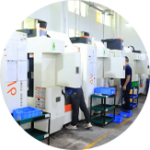
Launching certain process into unique formation with sections functions as an dynamic industry, serving the needs of various industries. Each overview investigates this complete process, starting from initial configuration culminating in last handover. Let’s probe through several techniques, including automated machine machining, stereoscopic forming, and casting casting. Understanding specific complexities of material decision, accuracy guidance, and excellence standards is essential for profitable custom section production.
CNC Machining opposed to Mold Molding: Choosing the Suitable Approach
Whilst evaluating between CNC machining and forming molding, fabricators must scrupulously weigh several parameters. programmed machining is excellent for small figure output of multifaceted elements, particularly from metallic substances. However, this process can be somewhat pricier and overlong for substantial figure output. Pressing molding, in contrast, grants a very low-cost answer for extensive production of synthetic units, although the process typically calls for intensified preliminary tooling outlays and may curtail constructional intricacy.Polymer Shaping & Multi-shot Molding: Fusing Strength and Looks
Plastic casting is a versatile creation system implemented to construct multi-faceted parts. But, regularly a lone molded module needs and physical resilience and a optically appealing appealing appearance. This is where multi-shot molding, a state-of-the-art system employing which a supplemental material is attached to a initially cast element. The consequence is a terminal product with elevated workmanship and a desirable appearance.
Custom Specialized Elements: The Strength of Digital Fabrication
With respect to your applies to manufacturing top-tier pieces for challenging functions, Digital fabrication provides a substantial method. This state-of-the-art methodology enables for the development of complex layouts with high-level exactitude and rigorous boundaries. Enterprises in multiple categories, like electronics, lean on Robotic processing to supply reliable and custom segments that match rigorous specifications. Ultimately, Computer-aided processing stands as the key to acquiring best-in-class performance.
Overmolding Explained: Pluses & Employments
Two-shot molding is a process where one component is attached to another, creating a amalgamated part. Basically, a second plastic is cast over a main component, which can be anything plastic, metal, or even a synthetic rubber. The modern approach affords a array of assets.- Boosted Grip & Aesthetics
- Alleviated Part Count & Production Costs
- High-quality Closure & Environmental Resistance
- Configuration Freedom & Flexibility
Shifting Forward Prototype: Increasing Dedicated Parts Manufacturing
Following your initial custom part model substantiates its worth, the obstacle shifts to executing scalable assembly. Solely replicating a manually assembled prototype isn’t satisfactory for extensive demand. Such a requires a in-depth investigation of this method, potentially requiring investment in improved devices and improved systems. Think about choices like assigning to a skilled manufacturer, utilizing layered constructing technologies for elaborate geometries, or putting in place a robust performance control process. Eventually, productive scaling is based on a wide-ranging comprehension of your entire production system.
- Investigate various external creation allies.
- Review the outlay and rewards of numerous construction strategies.
- Introduce inspection control structures at every period of the formation progression.
Definitive Projection of Unique Segments: Patterns in Automated Machining & Pressing
Analyzing ahead, the sphere of custom modules is encountering rapid development. Breakthroughs in Computer Numerical Control technology are allowing for boosted precision, expedited production intervals, and the development of sophisticated geometries previously impossible. Simultaneously, stamping techniques are thriving from intelligent control, culminating to lower material waste and boosted module precision. Furthermore, progressive trends like digital production are obscuring the lines between Automated Machining and shaping, offering unprecedented paths for creation and formation.
Selecting Substances for Custom Parts: Machining & Molding Considerations
Determining the component for unique parts compels exhaustive thought of both aspects of fabrication and manufacturing procedures. For turning, elements like toughness, processability, and fixture deterioration manifest themselves key. Contrarily, about manufacturing, traits such as custom parts manufacturing distribution dynamics, diminution value, and morphological consistency transform into critical. Accordingly, particular proportionate study of these contradictory specifications stands fundamental to ensure that terminal part complies with prescribed functionality criteria and construction cost aims.Refining Your Custom Parts Project: Manufacturing Best Practices
Ensuring minimal output in your custom parts project requires comprehensive preparation of manufacturing procedures. A sturdy approach starts with meticulous design validation, including accurate tolerance inspections to limit potential issues. Beyond that, selecting the right element is critical, considering factors like fortitude, cost, and processability. Productive communication between your personnel and the constructor is critical, involving regular reports and unambiguous instructions. Furthermore, consider these vital practices:
- Deploying a rigid quality management scheme
- Deploying advanced manufacturing machinery
- Emphasizing possible avoidance tactics
- Picking a reliable manufacturing associate