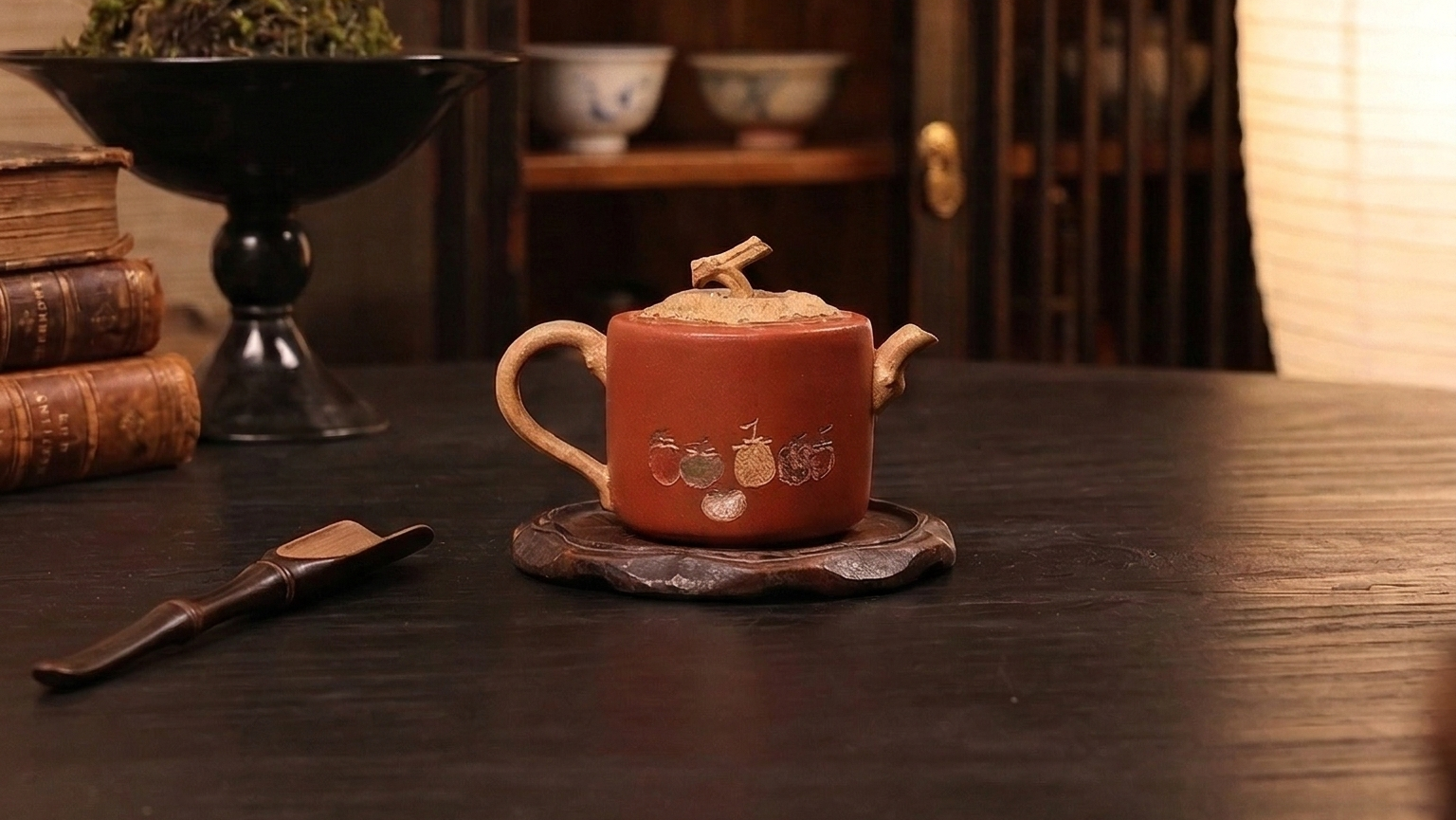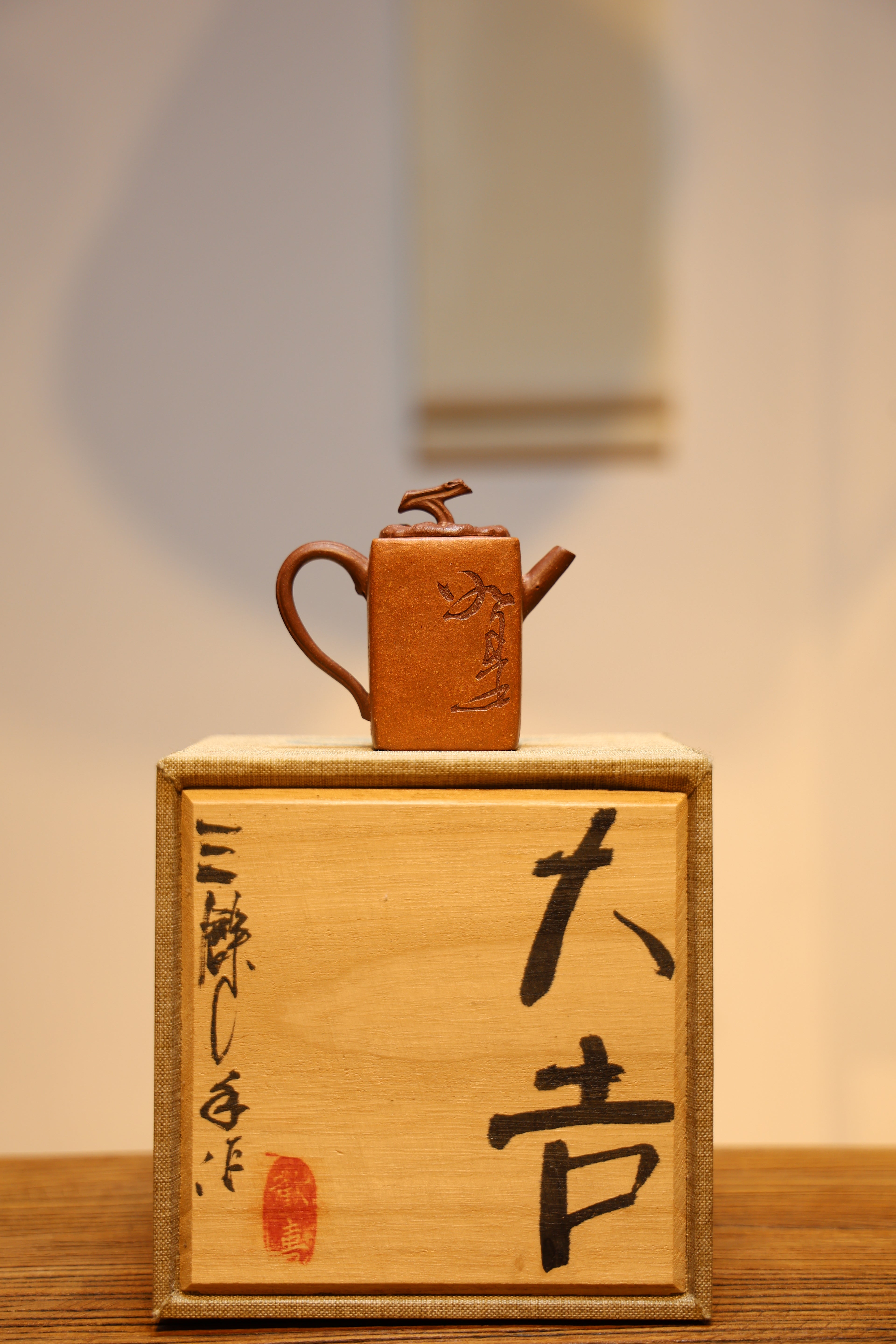
Continual inheritance expresses Huaihai teapots through eras,
Manifesting rare aspects obtained from native violet earthen materials, these containers acquire a finish through utilization, augmenting aroma drawn from infused infusions.
Understanding Yixing Earth: Thorough Insights into Zisha
Many connoisseurs admire the singular structure of Yixing heliotrope clay, an essential element of established Chinese stoneware. Deriving from the Yixing region of Jiangsu province, this precious clay boasts an sophisticated mineral arrangement, so that offers fabulous qualities to the completed teapots. Styles within Zisha, including Hong Mud, Duan Ni Mud, and Jiang Xi Mud, each possesses different shades, materials, and drying traits, altering the permeability and the final accent ripening of the beverage.
Eastern Carafe Usages: Discovering Craftsmanship
Eurasian teapots embody greater than mere holders for concoction; they exemplify centuries of traditional sophistication. From the distinguished Yixing clay variations, respected for their breathable nature which imparts individual characters to the drink, to the precise porcelain from Jingdezhen, each piece relays a legend of labor. The making process is an elaborate undertaking, often transferred through dynasties of craftsmen. These artists use traditional strategies such as hand-building, forming on wheels, and beautifying, demonstrating profound reverence for the element and the craft itself. Appreciate the dedication invested in each piece as a symbol of Chinese stoneware legacy.
- Yixing jugs: a timeless pick.
- Jingdezhen ware teapots: valued for their refined design.
- Fabricating techniques: a complex yet profitable procedure.
Eastern Clay Urn Maintenance: Conserving Your Cherished Item
Optimal maintenance of your unique Yixing Zisha flask is vital to maintaining its condition. Crafted from recognizable purple sand soil, these exceptional teapots gain a appealing patina after use, considerably boosting their allure. Prevent detergents; a delicate rinse with pleasantly warm water is enough. Eschew high temperature water for washing the teapot, as it may break its fabric. Allow it to lose wetness away from direct radiance. Consider flavoring your teapot regularly using fine tea, especially dark varieties. Here is a brief checklist:
- Swill with softly heated water.
- Do not use chemical agents.
- Facilitate it to lose dampness.
- Prepare with fine tea.
Lineage of Yixing Teapots: From Modest Roots
The narrative of Yixing teapots initiates unassumingly during the Tang dynasty, about the 16th era. Initially, these earthenwares were not the treasured objects they are perceived today. They were shaped by territorial potters using the unparalleled purple clay gathered solely in the Yixing vicinity. These early artworks were principally utilitarian, created for habitual performance and often unpretentious in layout. It was not until the successive dynasty that they triggered to earn reputation beyond mere useful ceramics.
Picking the Proper Zisha Teapot: A Fundamental Overview
Starting the field of Yixing teapots can be formidable, but never fearing! For beginners, the central factor is understanding the sediment. Legitimate Yixing clay is prized for its breathability, allowing the teapot to hold the tea's taste over time, heightening every creating session. Imagine the contour; traditional spherical shapes prevail, yet individual preferences play a role. Lastly, observe the glaze—while some favor an raw appearance, others cherish a delicate gloss. Take your time in the pick process—this is an investment in a adored piece of craft.
Yixing Teapots and Their Importance on Chinese Infusion Tradition
Zisha pitchers, derived from Yixing, China, have profoundly influenced long-standing Chinese liquid culture. These Yixing clay teapots, prized for their identifiable tone, texture, and exceptional ability to impart a subtle savor to the drink, symbolize more than mere receptacles; they are valued pieces of art and symbols of distinction. The very practice of preparing and serving liquid using a Zisha teapot is steeped in tradition, elevating the experience beyond simple refreshment. Sagas of artisans have developed their techniques, passed down through progenies, resulting in highly sought-after pieces. Consequently, Zisha teapots are frequently gathered, playing a crucial part in cultivating local appreciation for aesthetics and the ceremony of beverage ceremonies.
- Peculiar Clay Composition
- Imparting Subtle Flavor
- Exquisite Craftsmanship
Identifying Original Valuable Traditional Teapots
Securing a genuine Yixing teapot can be a fulfilling experience, but the environment is often filled with frauds. Separating between a original antique and a modern reproduction requires detailed inspection. Key signals include the clay's earthy shade, often displaying streaked surfaces, and the missing of modern curing imprints. The shape should present natural beauty, reflecting the traditional Yixing style. Finally, investigating the manufacturer's mark is important to verify realness against documented records.
- Assess the clay's makeup.
- Look for flaws, indicative of artisan quality.
- Request an advisor for verification.
Purchasing Purple Kettles: A Detailed Reference to Earthenware Awareness
The realm of Eastern Zisha earthenware delivers a noteworthy opportunity for astute enthusiasts. Steadily, the valuation of these well-made artifacts is steered by various elements, such as the grade of purple clay, the mastery of the craftsman, the heritage relevance, and, naturally, the contemporary popularity. Initiates should familiarize themselves on comprehending the numerous characteristics of Zisha clay—such as Binghu, Du Ning, and Hong Ni—and getting acquainted with Purple Clay Teapot the qualities linked to each. Meticulous inspection of the item's outline, tint, and logo is similarly fundamental to make wise conclusions when investing.