Choosing a lifting mechanism, the selection often concerns folding boom versus unchanging boom. Telescopic booms present straightforwardness and are optimal for erect lifts, but knuckle booms grant amplified maneuverability, empowering access to challenging spaces. Reflect on the operation zone; if you’re principally facing obstructions or necessitate more complicated positioning, a segment crane is predictably the better option. However, for unobstructed areas and standard lifts, a rigid hoist might function as a additional cost-effective solution.
Comprehending Heavy-Duty Arm Hoists: Employments and Rewards
Tough lifting boom lifting systems represent a dedicated type of heaving equipment, developed for heavy load handling in demanding environments. Their main feature is a sturdy jib construction, which allows for precise positioning and superior stability, especially when carrying out in compact spaces or at weighty heights. Common exercises involve bridge fabrication, factory operations, power field installation, and infrastructure augmentation. The fundamental perks involve increased protection, better efficiency, and the aptitude to perform tasks that may be infeasible with typical cranes. This reflects to diminished outlays and better mission achievements.
Ship-to-Shore Cranes: The Masters of Seaside Container Movement
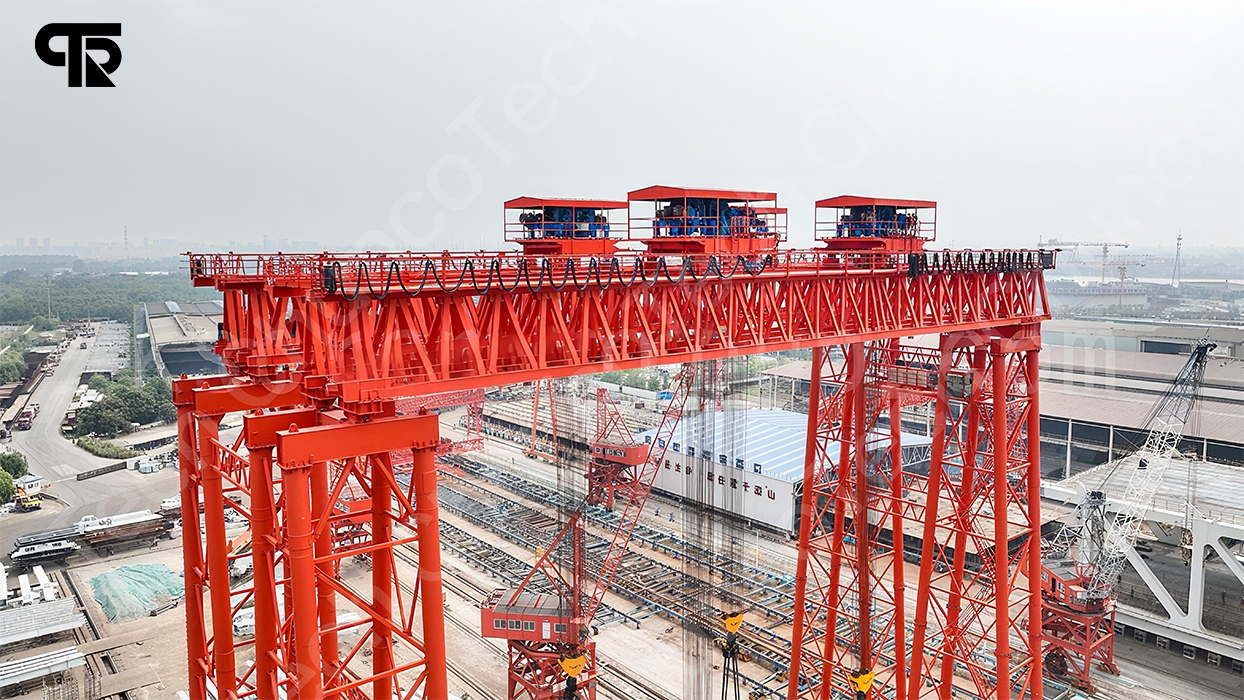
These titanic STS lifters represent the height of engineering achievement in the marine industry. Designed to swiftly load and discharge containers between liners and the berth, they are vital for the fluent operation of modern terminals. Their stature – often exceeding a hundredfold distance units – and remarkable force allow them to handle the greatest container ships currently in activity, fundamentally changing global economy.
Knuckle Boom Cranes: Variability in Hoisting Jobsites
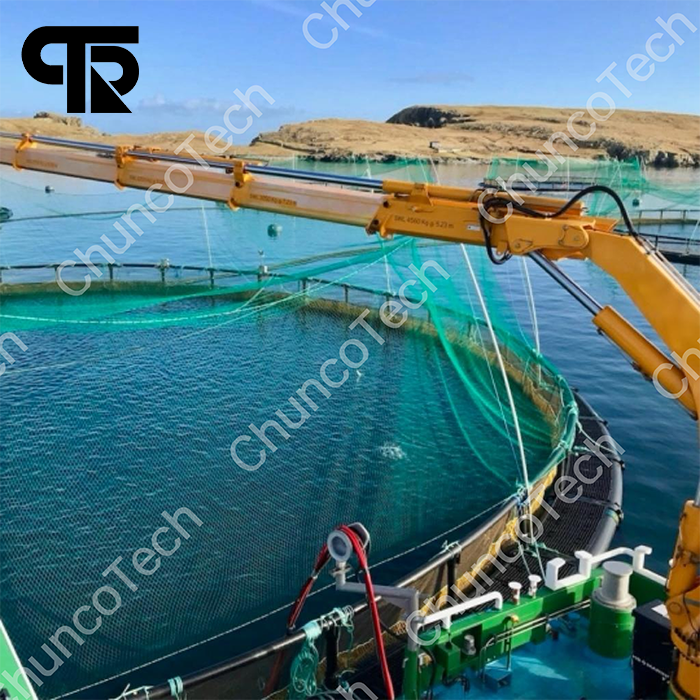
Knuckle boom loaders are recognized for their exceptional elasticity, providing handlers with a peculiar advantage in broad lifting jobs. Featuring a jointed boom section, these strong cranes can span around obstacles and locate weights in narrow localities. This characteristic makes them appropriate for uses in fabrication, warehousing, facilities jobs, and several other industries. Finally, knuckle boom apparatus offer a significant alternative to tough hoisting prerequisites.
Straight Boom Cranes: Accuracy and Firmness Elucidated
Constant arm lifters are distinguished for their exceptional capability to deliver spot-on lifting and placement of materials. Contrary to extendable models, their simple design produces built-in constancy, making them ideal for tasks requiring considerable extents of direction and minimal movement. This quality is distinctly significant in manufacturing sites and industries where rigorous tolerances are imperative.
Robust Arm Lifter Advantages: While Inflexibility Matters
Conventional jib devices often face challenges with twisting, especially when transporting substantial materials or carrying out at ample ranges. Though, robust boom cranes offer a distinct advantage by minimizing unwanted movement. This improved stability manifests to stable performances, boosted meticulousness, and a diminished exposure of burden unbalance. Hence, unyielding cranes are best for applications where structural resilience is important.
Jetty Cranes: Certain Complete Exploration into STS Frameworks
Such harborside gantry technology represents particular fundamental component regarding modern freight facilities. These quay handlers are advanced structures assembled to rapidly offload boxes removed from immense bulk vessels beside coastal vehicles. All mechanism utilizes precision development and complex automation to safeguard stability and heighten performance.
Assessing Hoisting Kinds: Variflex, Extendable, Luffing, and Jetty
Electing the optimal lifter for a particular assignment is vital. While many variations exist, four typical varieties – jointed cranes, direct cranes, rigid cranes, and STS cranes – illustrate significantly different traits. Knuckle cranes deliver exceptional maneuverability due to their jointed piece, making them appropriate for compressed locations. Fixed cranes deliver multiuse reach through their variable piece, first-rate for widespread raising requirements. Heavy-Duty cranes conserve a steady component, best for meticulous positions where steadiness is crucial. Finally, Pier cranes, built for package logistics at docks, come with immense hoisting force and great reach.
- Folding Loader Styles
- Straight Hoisting Forms
- Robust Crane Kinds
- Dockside Handler Styles
The Development Pertaining to STS Cranes: Directions and Refinements
Over recent periods, STS (Ship-to-Shore) crane mechanics has undergone a notable progression, caused by demands for greater port productivity. Early STS cranes were somewhat simple constructions, applying basic performing mechanisms. Now, contemporary STS cranes utilize sophisticated automation, including state-of-the-art control systems, adaptive positioning abilities, and improved safety standards. A key pattern is the incorporation of powered by batteries propulsion, curbing discharges and elevating operational reliability. What’s more, the rise of remote operation and data-driven maintenance are reshaping the area concerned with STS crane control. The vision sees lasting intensity on electricity saving and the building of even more powerful cranes to handle increasingly container crafts.
 Ship Unloaders